Get the Inside Story: Semele
Get the Inside Story:
Semele

Semele
What happens when a mortal falls in love with a god, and discovers that even
paradise is not enough? Come inside Handel’s extraordinary musical drama, meet the characters who bring it to life, and discover what to listen out for when you experience Semele with Pinchgut Opera.
A beautiful woman. A powerful god. A jealous wife. And a desire that will ultimately prove impossible to satisfy.
Handel’s Semele has all the ingredients of a great opera: forbidden love, divine
intervention, seduction, revenge and a devastating finale. But its heroine is no simple tragic figure. Semele is ambitious, vulnerable and passionate, and Handel’s music draws us so deeply into her world that we feel the force of her desires, even when we can see the danger ahead.
As Pinchgut brings this extraordinary work to the stage, director Neil Armfield and designer Dale Ferguson create a world where ancient myth meets contemporary life, while Artistic Director and conductor Erin Helyard leads the Orchestra of the Antipodes and an exceptional cast through some of Handel’s most beautiful and dramatically charged music.
An opera that refused to behave
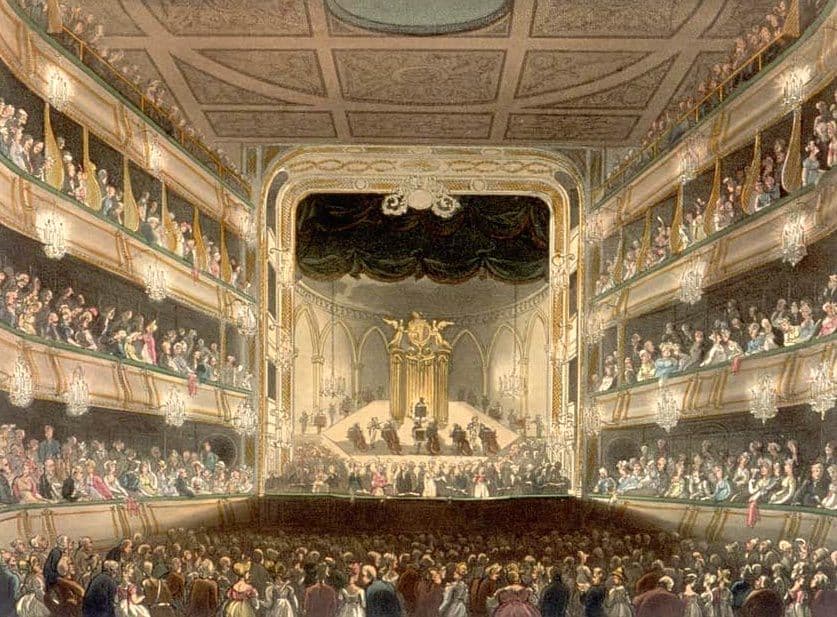
When Semele premiered in London in 1744, Handel presented it “after the manner of an Oratorio”. Performed in English as part of his oratorio season, it had no elaborate scenery of the kind associated with Italian opera. But its story was hardly conventional: a mortal woman conducts an affair with Jupiter, king of the gods, in a drama of desire, jealousy, vanity and ambition.
Charles Jennens, librettist of Messiah, later delivered his memorable verdict: “No Oratorio, but a baudy Opera.”
He had a point. Handel had largely moved away from Italian opera, but Semele retained its theatrical power. Its characters are vividly drawn, its relationships full of tension, and its music reveals emotions that words alone cannot express.
What makes the work so compelling is that Handel never asks us simply to condemn Semele. Her ambition contributes to her destruction, yet her music is so alluring and full of life that we understand why she wants more. Semele makes us feel the seduction of desire even as it reveals its dangers.

The Story of Semele
Semele is due to marry Athamas, Prince of Boeotia, but she is secretly in love with Jupiter, King of the Gods. Carried away to his magnificent palace, she discovers a world of extraordinary pleasure. Yet she remains mortal, while Jupiter is immortal. As her longing grows, she begins to imagine a life beyond the limits of her humanity.
Jupiter offers Semele love, luxury and protection. But when she demands to see him in his full divine glory, he faces a terrible dilemma: he has promised to grant her wish, knowing that she cannot survive it.
Juno, Jupiter’s wife, is furious at his infidelity. Rather than confront Semele directly, she disguises herself as Semele’s sister, Ino, and exploits Semele’s vanity, persuading her to demand the very thing that will destroy her.
Alongside this turbulent love triangle, Ino and Athamas discover an unexpected path towards happiness. Their story offers a gentle contrast to Semele’s relentless pursuit of something more.
Image: Alexandra Oomens, David Webb and Catherine Carby
Photo by Brett Boardman 2026.
A world between myth and reality
For director Neil Armfield, Semele explores the human desire to exceed our natural limits: to acquire ever more power and imagine ourselves beyond the ordinary rules that govern everyone else. It is an idea that feels particularly resonant today.
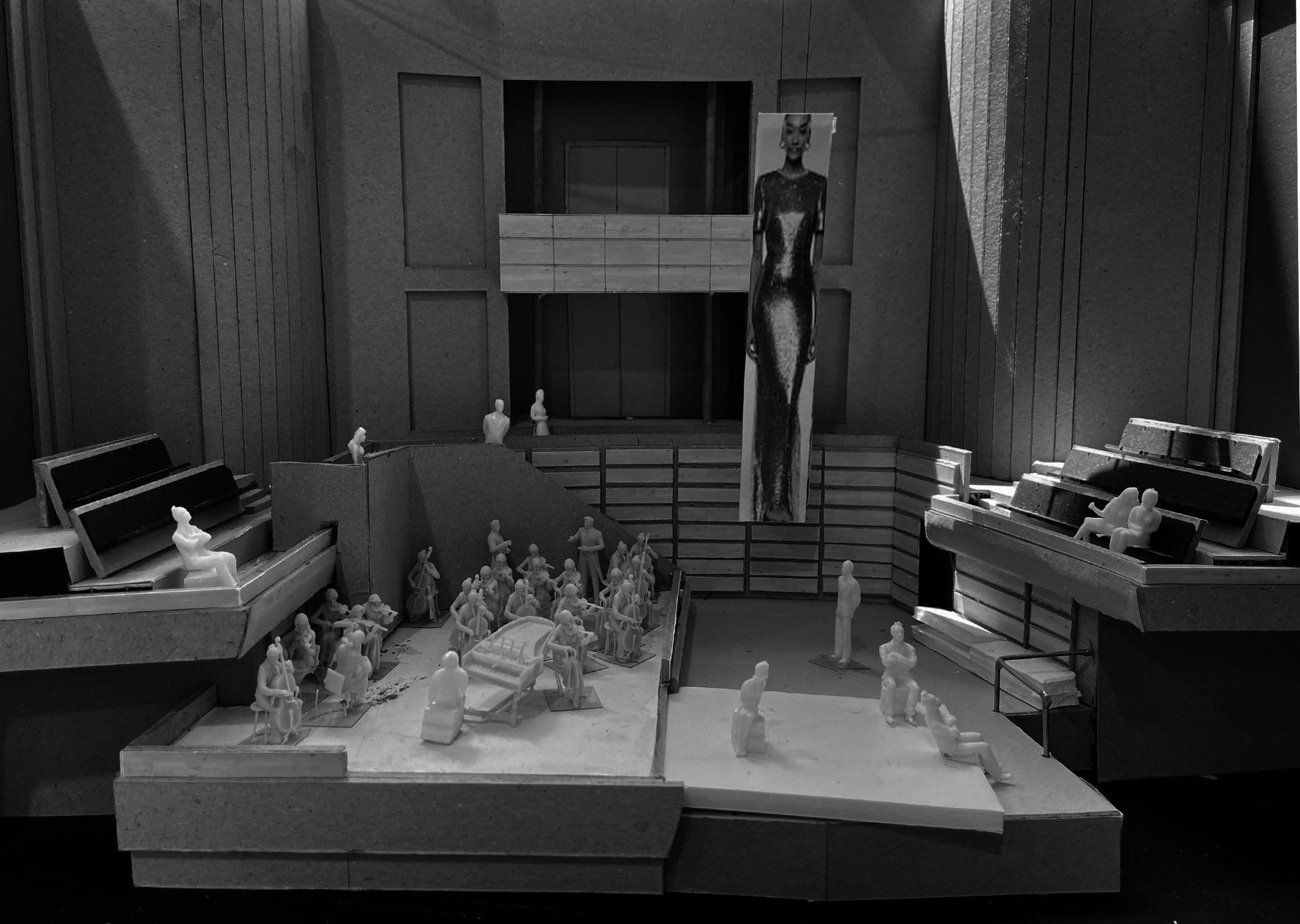
Working with his long-time creative collaborator, designer Dale Ferguson, Armfield has created a timeless world that responds to the architecture of City Recital Hall, allowing the venue itself to become part of the theatrical experience.
The Orchestra of the Antipodes shares the stage with the singers, bringing
musicians and performers into close conversation. It is an approach that places Handel’s music at the centre of the drama.
What to Listen Out For
Open in Spotify to hear the tracks
1. “Endless Pleasure, Endless Love” - Act I · Semele
Carried away by Jupiter, Semele celebrates her escape from the mortal world. Handel’s music sparkles with delight, as she revels in a new life of pleasure and possibility. Listen to the word “endless”. Even at the height of her happiness, we hear the
beginnings of the longing that will eventually undo her.
2. “Where’er You Walk” - Act II · Jupiter
Jupiter promises that wherever Semele walks, nature will flourish around her. This is one of Handel’s most beloved arias, full of warmth and pastoral beauty.
Listen to the ease and serenity of the melody. Jupiter seems to be offering Semele everything she could possibly want, yet we know that even paradise has its limits.
3. “Myself I Shall Adore” - Act III · Semele
Disguised as Ino, Juno encourages Semele to admire her own beauty and imagine herself as a goddess. Semele is delighted by the idea.
Listen for the sparkling interplay between voice and instruments. We can hear the danger in Semele’s ambition, but we can also feel the pleasure she takes in herself. That is the genius of Handel’s characterisation.
4.“Now Love that Everlasting Boy Invites” - Act II · Chorus of Loves and
Zephyrs
A moment of exquisite musical persuasion, this chorus sets the pleasures of the present against Semele’s growing hunger for the impossible.
Listen to how the chorus changes the atmosphere after Jupiter’s more anxious
reflections. The music brings a moment of lightness and charm, transporting us back into the seductive world of the gods.
But the chorus does more than simply comment on the action. The Loves and
Zephyrs are part of Jupiter’s world of pleasure, helping sustain the illusion that
Semele has everything she could want.
Why Semele still speaks to us
“Handel never allows us simply to condemn Semele; through his music, we
feel the force of the desires that undo her.”
Erin Helyard Artistic Director and conductor
More than 280 years after its premiere, Semele continues to ask searching questions about ambition, power and our desire to exceed the limits of our humanity. How much is enough? What happens when we cannot accept the boundaries of our own lives? And can we recognise the danger of our desires when the music makes them sound so beautiful?
Handel offers no easy distance from the story. Instead, he draws us into its
pleasures, seductions and consequences, leaving us to wrestle with the
contradictions at its heart.