Concertos and Sonatas: An Intimate Beginning
Concertos & Sonatas
An Intimate Beginning:
Bach, Telemann and the Orchestra of the Antipodes
by Erin Helyard Feb 2026

Pinchgut Opera’s 2026 Sydney season opens with a first for the company: an orchestral concert devoted entirely to the musicians of the Orchestra of the Antipodes.
We’ll be playing one-to-a-part — a format that’s historically normal for much of this repertoire — the result is not simply “smaller” it’s different. The transparency is immediate. Inner parts become audible. Harmony has momentum. And the musical rhetoric becomes genuinely conversational, because each player is responsible for their own line.
If this feels familiar, it’s because many of you heard something similar in our concert performances of Handel’s Messiah in 2025. In that project, working at the scale of Handel’s original Dublin forces revealed a kind of directness and clarity that large modern versions can easily blur. This concert begins the 2026 season with the same premise: listen closely, and the music comes alive.
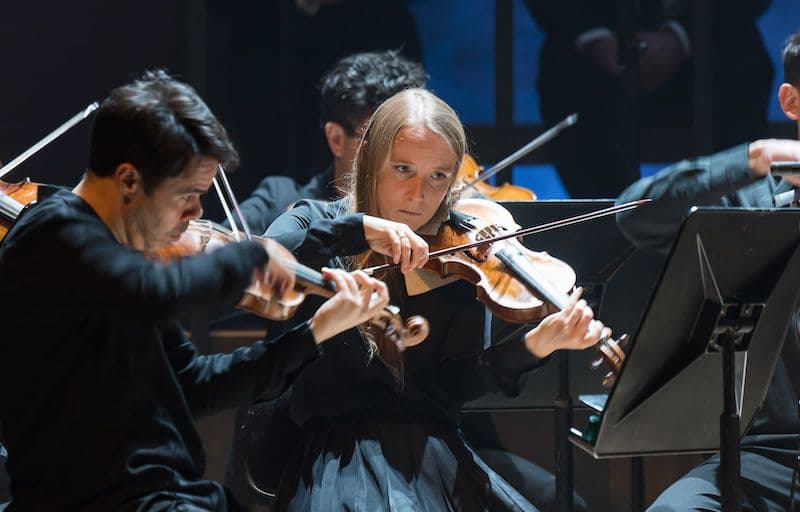
Annie Gard in Messiah, photo Anna Kucera
At the centre of Bach & Telemann I are concertos by Johann Sebastian Bach: the Violin Concerto in A minor, performed by Matthew Greco, and the D minor Harpsichord Concerto, with me as soloist. Heard at chamber scale rather than with a larger ensemble, these pieces sharpen into focus. The lines are cleaner, the counterpoint is more alive, and Bach’s harmonic pacing feels lighter and more vital.
Alongside Bach is one of my favourite composers: Georg Philipp Telemann. Admired in his own lifetime for his invention, his range, and his sheer musical intelligence, his instrumental writing shows a deep engagement with the Italian style, shaped by composers such as Tomaso Albinoni. That influence runs quietly through this entire program, not as a footnote, but as part of the Italian musical language that both Telemann and Bach absorbed and transformed.
Telemann’s sonatas explore distinctive instrumental colours and textures. His five-part sonatas (a clear homage to Albinoni’s own Op. 5) are written for the somewhat old-fashioned ensemble of two violins, two violas and continuo. I think these works should be counted among the greatest masterpieces of the early eighteenth century. Their sound is dark and more blended — warm, resonant, and richly balanced, almost chocolate-toned in its depth.
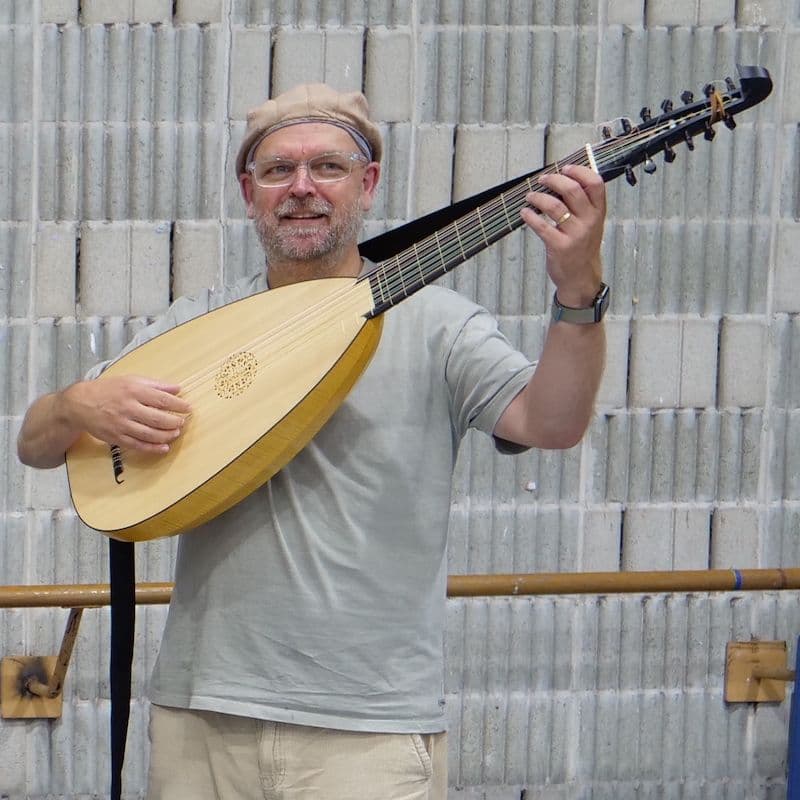
A concerto by Fasch brings the continuo to the foreground through a solo appearance by Simon Martyn-Ellis on Pinchgut’s own gallichon — an instrument that, in this context, stops being “background” and becomes a protagonist.
For me, this is musicians’ music: repertoire cherished by performers, and probably first heard in intimate gatherings of players and listeners united by curiosity and delight. That spirit of shared listening is the heartbeat of this concert. Rather than grand spectacle, audiences encounter something rarer—an intimate conversation between extraordinary artists and the music we love.